Hello DiffractiveLens
Script: 0_hello_diffraclens.py
A pure wave-optics lens built from a diffractive phase plate. The complex wavefront is propagated to the sensor with the band-limited Angular Spectrum Method (ASM).
What it demonstrates
- Loading a
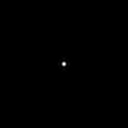
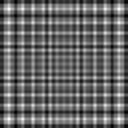
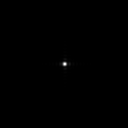
DiffractiveLensfrom JSON (here a Fresnel phase plate). - Computing the PSF for an object at infinity, at finite depth, and off-axis.
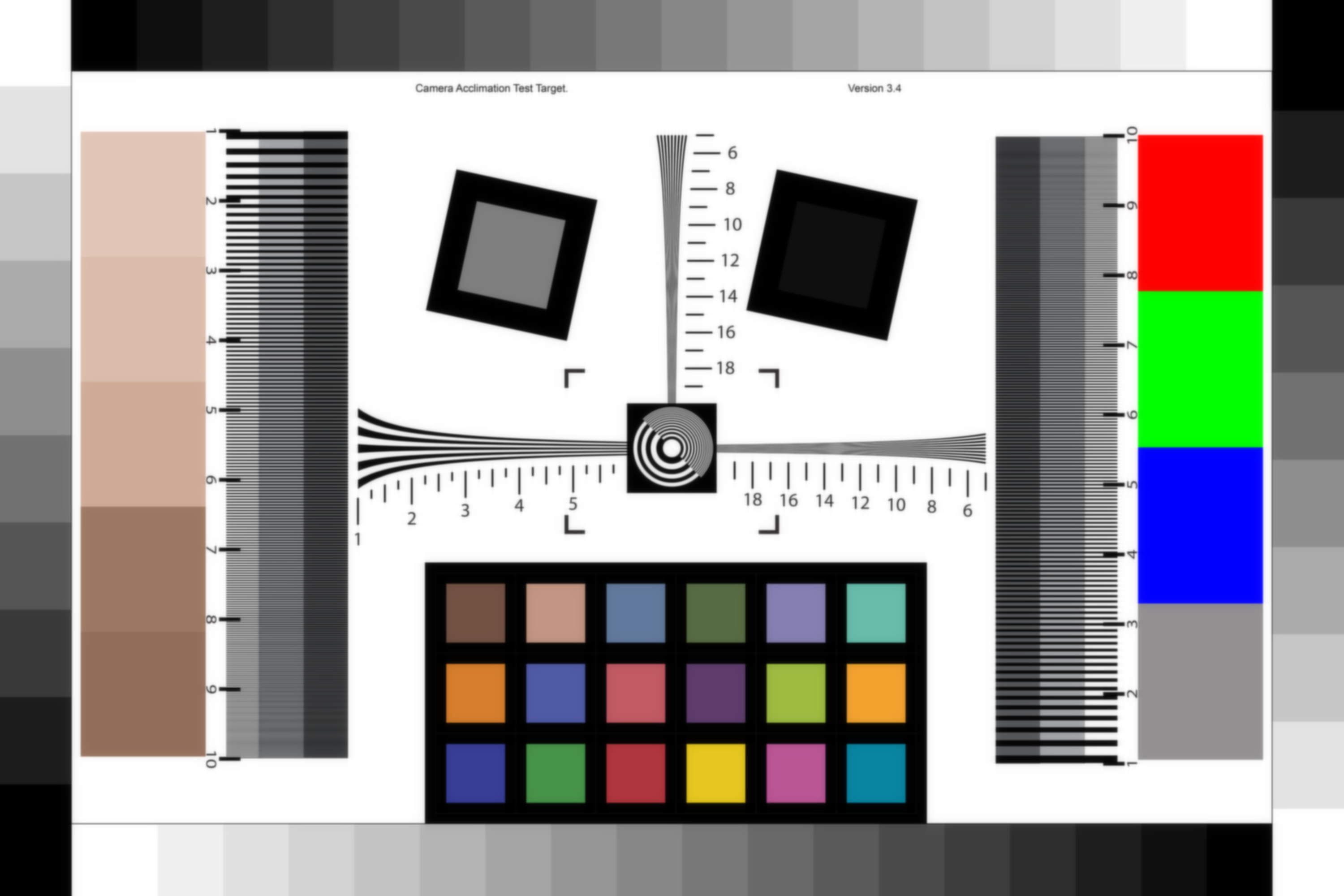
- Wave-optics image rendering through the diffractive lens.
Run
Key code
from deeplens import DiffractiveLens
from deeplens.imgsim import conv_psf

lens = DiffractiveLens(filename="./datasets/lenses/diffraclens/fresnel.json")

psf_inf  = lens.psf(points=[0.0, 0.0, float("-inf")], wvln=0.55, ks=128)  # collimated, on-axis
psf_near = lens.psf(points=[0.0, 0.0, -500.0], wvln=0.55, ks=128)         # finite depth
psf_off  = lens.psf(points=[0.7, 0.0, float("-inf")], wvln=0.55, ks=128)  # off-axis (field x = 0.7)

# Image simulation: convolve a chart with the (infinity) PSF replicated to RGB
psf_rgb = lens.psf(points=[0.0, 0.0, float("-inf")], wvln=0.55, ks=64)[None].repeat(3, 1, 1)
img_render = conv_psf(img, psf_rgb)
Results
| PSF (object at ∞) | PSF (near) | PSF (off-axis) |
|---|---|---|
 |
 |
 |
Rendered image
Note
The Fresnel plate is sampled at 2 µm so the quadratic phase is well-sampled
(ps < λ·f/D) and forms a clean, diffraction-limited focus. Coarser pixel
pitches undersample the phase and produce ghost-lattice PSFs; see
DiffractiveLens design for the sampling rule.
See also
- API:
DiffractiveLens,ComplexWave